On May 10 in Hamilton, a one-of-a-kind art workshop allowed francophone newcomers to release the hardships they had faced on their immigration journey. The healing activity aimed to foster the emotional well-being essential to settling in and thriving in Canada.
Yolande Melono – LJI Réseau.Presse – Le Régional de Hamilton-Niagara
Fear, loneliness and stress are among the main obstacles to the successful integration of francophone immigrants in Canada. For Congolese newcomers, the challenges are even greater: in addition to the difficulties of settling in a new country, they often carry the psychological wounds left by the ongoing crisis in the Democratic Republic of the Congo (DRC).
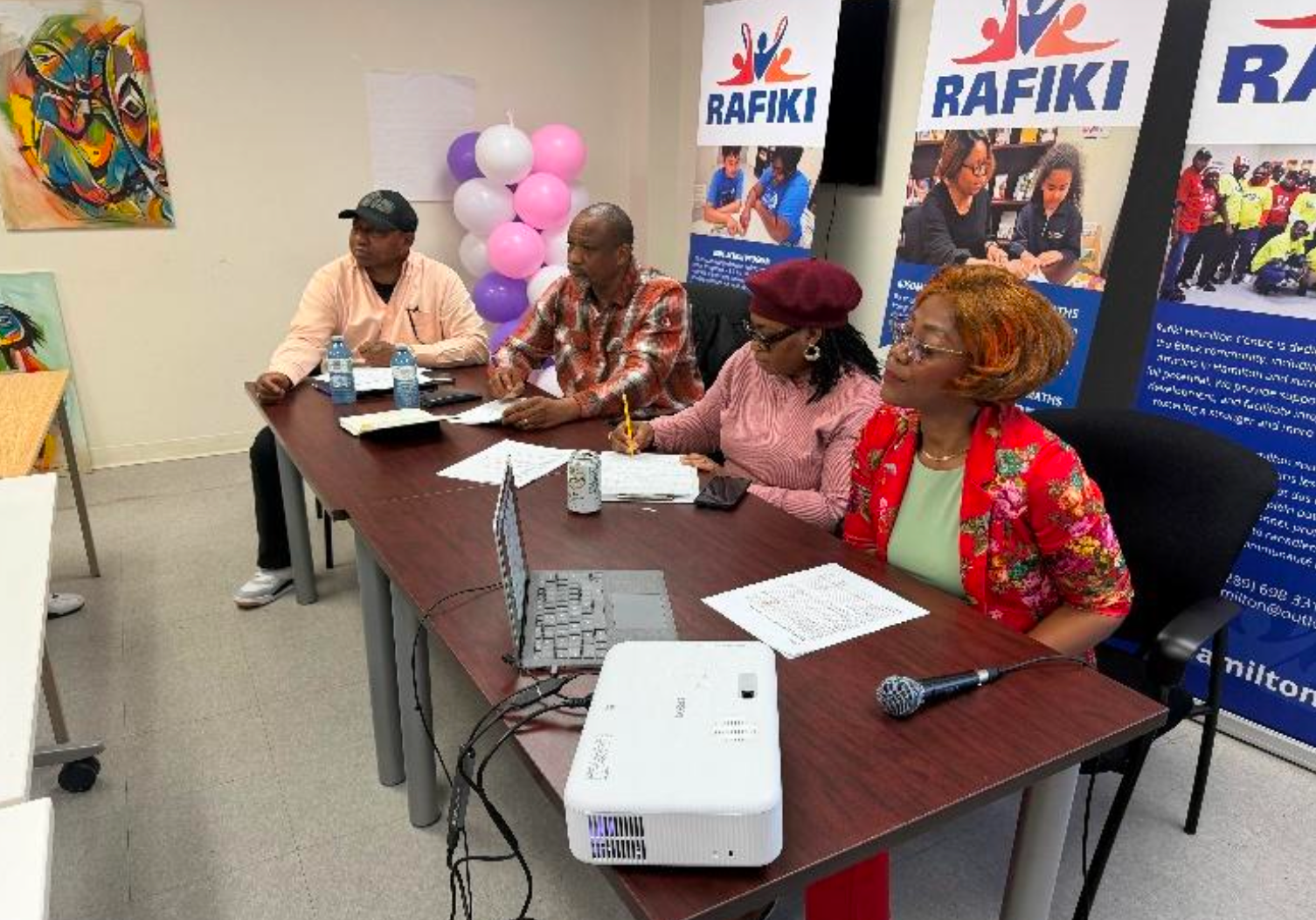
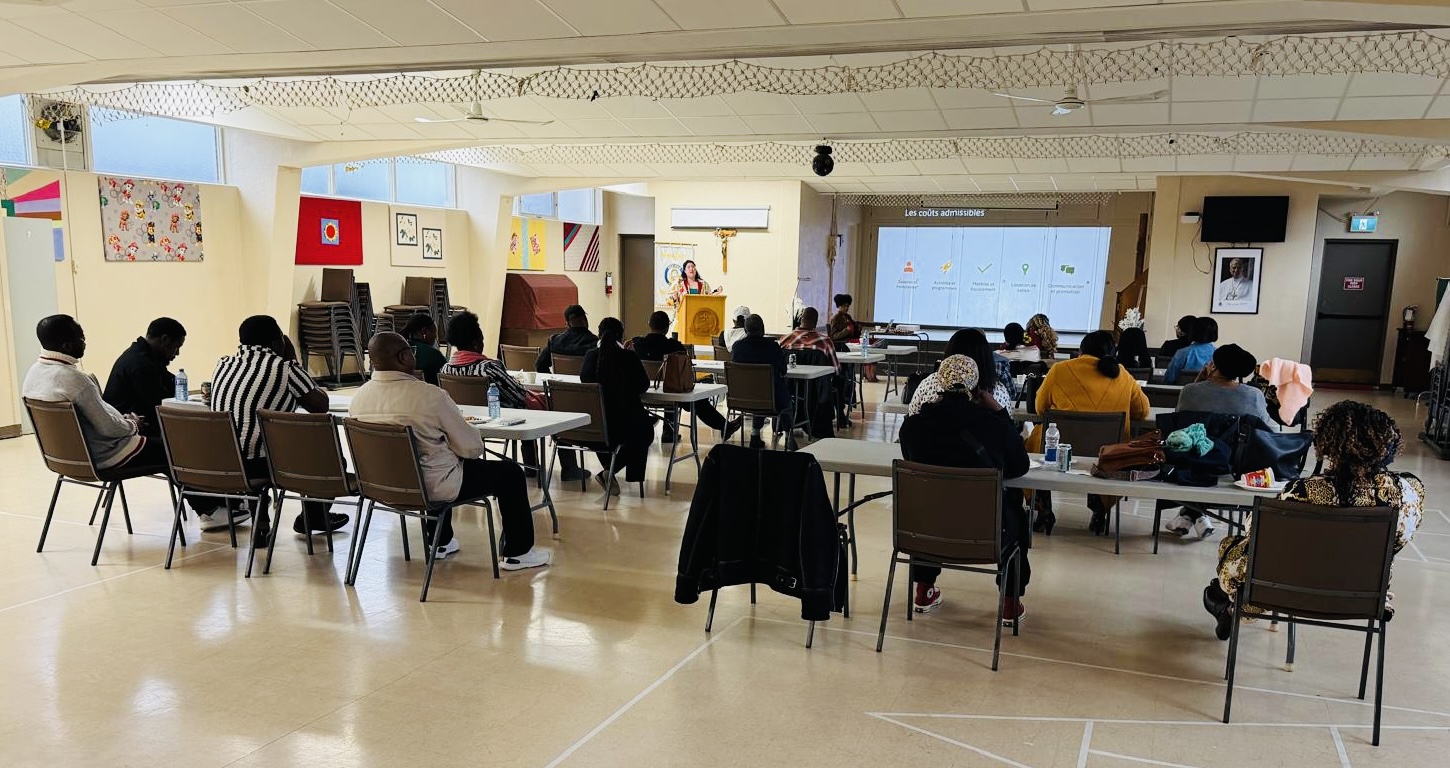
To address these challenges, the Congolese Community of Hamilton (CCH) and Area organized, on May 10, an original healing workshop called Painting Therapy. This creative initiative aimed to soothe, through artistic expression, the wounds experienced by immigrants while supporting them on their integration journey. Supported by the Hamilton Welcoming Francophone Community (CFA), the activity was led by painter Crystalle Katanga and special education trainer Ilda N’sele.
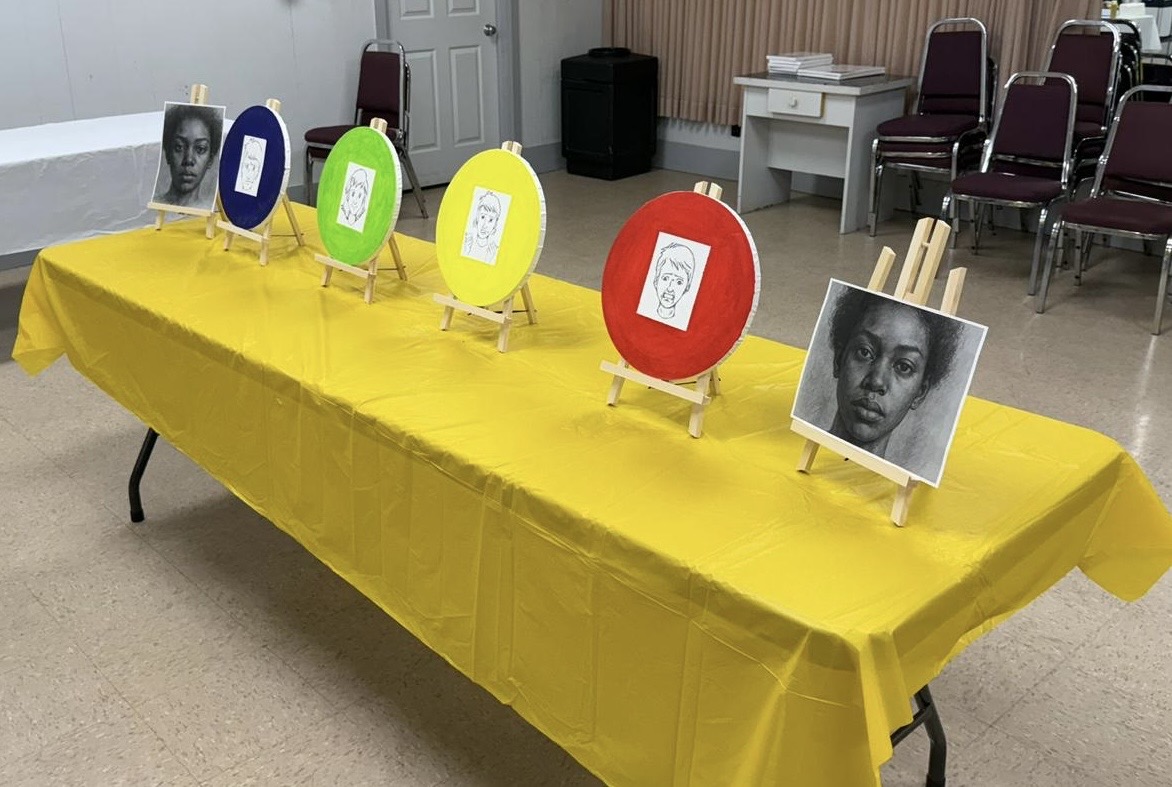
Before putting their emotions on canvas, the 15 participants from Cameroon, the DRC and Côte d’Ivoire took part in a training session led by Ilda N’sele on the emotional regulation chart. Made up of four colours (blue, green, yellow and red), the chart associates each colour with a specific emotional state. The goal of the session was to help each person identify which zone they were in and develop strategies to reach the green zone, a symbol of calm, comfort and well-being.
People in the blue zone often feel fear or sadness, or are going through a state of unease. To help them feel better, it is recommended to offer them calm environments, listen to soothing music and do physical exercise.
In the yellow zone, on the other hand, people feel a certain restlessness or excitement. To help them calm down, different strategies can be used: breathing deeply, drinking a large glass of water, asking for a hug, exchanging a few words with someone and taking the time to listen to their answer.
Finally, people in the red zone are going through an intense emotional crisis. It is best to avoid any attempt at conversation at that moment, as they are no longer receptive. It is better to give them time and space, while remaining present, attentive and reassuring.
The participants then created a collage of faces illustrating the different emotions shown on the chart. Then, at the heart of the activity, they were invited to express their feelings through painting. Each person chose a single colour representing the emotion they were experiencing at that moment.
“One lady said she didn’t know how to draw. I told her: Madam, just take the paint and do whatever you want with a single colour. She started drawing with blue. Then she asked me if she could add another colour. I said yes. She went to get green. Through this act, she showed that she had been in a state of fear because she didn’t know how to draw. Once the painting had relaxed her, she wanted to change zones and move to where she felt better,” said Ms. N’sele.
“It was a wonderful initiative,” adds Congolese participant Mira Ekakola. “I didn’t know that when I’m angry or stressed, I should take a coloured pencil and paper and draw. I discovered my own emotional zone, which is green and blue. Now I know what to do to manage my emotions.”
After expressing the emotions buried within them, the immigrants felt transformed, lighter and at peace.
“The participants learned simple ways to get back to the green zone, the zone of calm and well-being. These tools helped them strengthen their hope and self-esteem,” said Nancy Muinda, president of the CCH.
At the end of the workshop, the newcomers expressed the wish to repeat this experience, which brought them well-being, comfort and the momentum they needed to continue their integration journey in Canada.
Photo : The faces glued onto the emotional regulation charts (Credit: CCH)